Microplastics in water: new findings on the chemical activity of plastic products
Researchers have discovered that microplastics do not just accumulate in the body but trigger dangerous chemical reactions upon contact with water.
 🏙️City
Photo: TSN
Key points
- Microplastics form reactive oxygen species when in contact with water.
- Polyethylene and polypropylene are the most chemically active types of plastic.
- Heating plastic in a microwave accelerates the release of harmful particles.
Scientists from Columbia University and the University of California, Berkeley, have released study results that change the understanding of how microplastics affect the environment. It turns out that plastic particles can actively interact with water, creating reactive oxygen species that can damage proteins and cell structures.
Chemical activity of plastic
During the experiments, researchers tested six types of plastic, including polyethylene, polypropylene, and PET. They found that the plastic surface repels water, creating conditions for the formation of hydroxyl radicals. Polyethylene and polypropylene proved to be the most active, while PET, used for water bottles, showed lower activity.
Scientists also observed that when in contact with microplastics, mouse red blood cells changed shape and ruptured. This confirms the hypothesis that tiny plastic particles can be chemically aggressive toward biological structures.
Household risks
Sources of microplastics include not only litter but also everyday processes: washing synthetic fabrics, heating plastic containers in microwaves, and storing water under direct sunlight. As plastic particles break down into smaller fragments, their surface area increases, which amplifies the potential chemical threat.
Source TSN — tsn.ua/zdorovya/mikroplastyk-vyiavyvsia-nebezpechnishym-niz-vvazaly-shc… ↗
Read next
 💼Economy
Power grid under pressure: scheduled blackouts introduced for Ukrainians on Monday
State-run company Ukrenergo announced scheduled power supply restrictions for November 23 due to the consequences of hostile attacks.
 🚌Transport
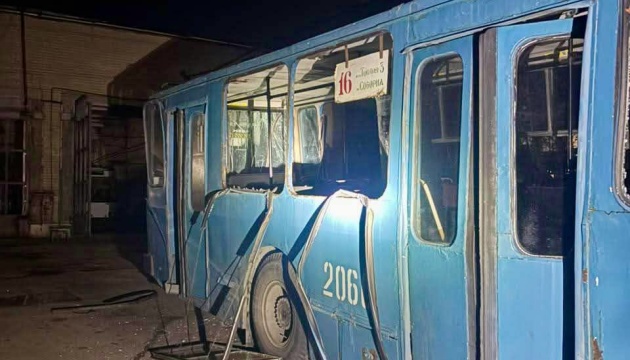
18 trolleybuses destroyed and heating pipeline damaged in Dnipro following night attack
An enemy strike on a depot in Dnipro has caused major damage to public transport and critical infrastructure providing heat to dozens of buildings.
 👥Society
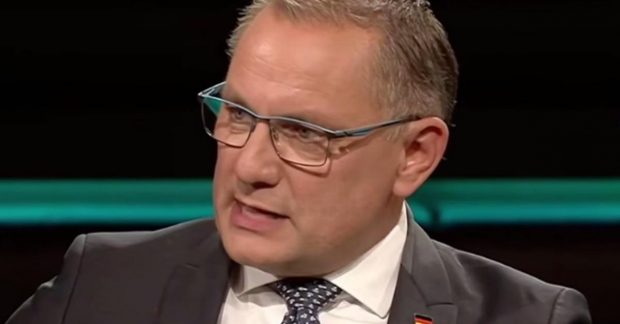
AfD co-leader calls for the departure of 2.6 million foreigners, including Ukrainians
Tino Chrupalla, co-chair of the Alternative for Germany party, has proposed the mass departure of foreigners whose protection status might be re-evaluated.
 🛡️Security
Russian airstrike on Sloviansk: casualties reported
Two civilians were killed and three injured after a Russian FAB-500 aerial bomb struck a residential building in Sloviansk.
 🚌Transport
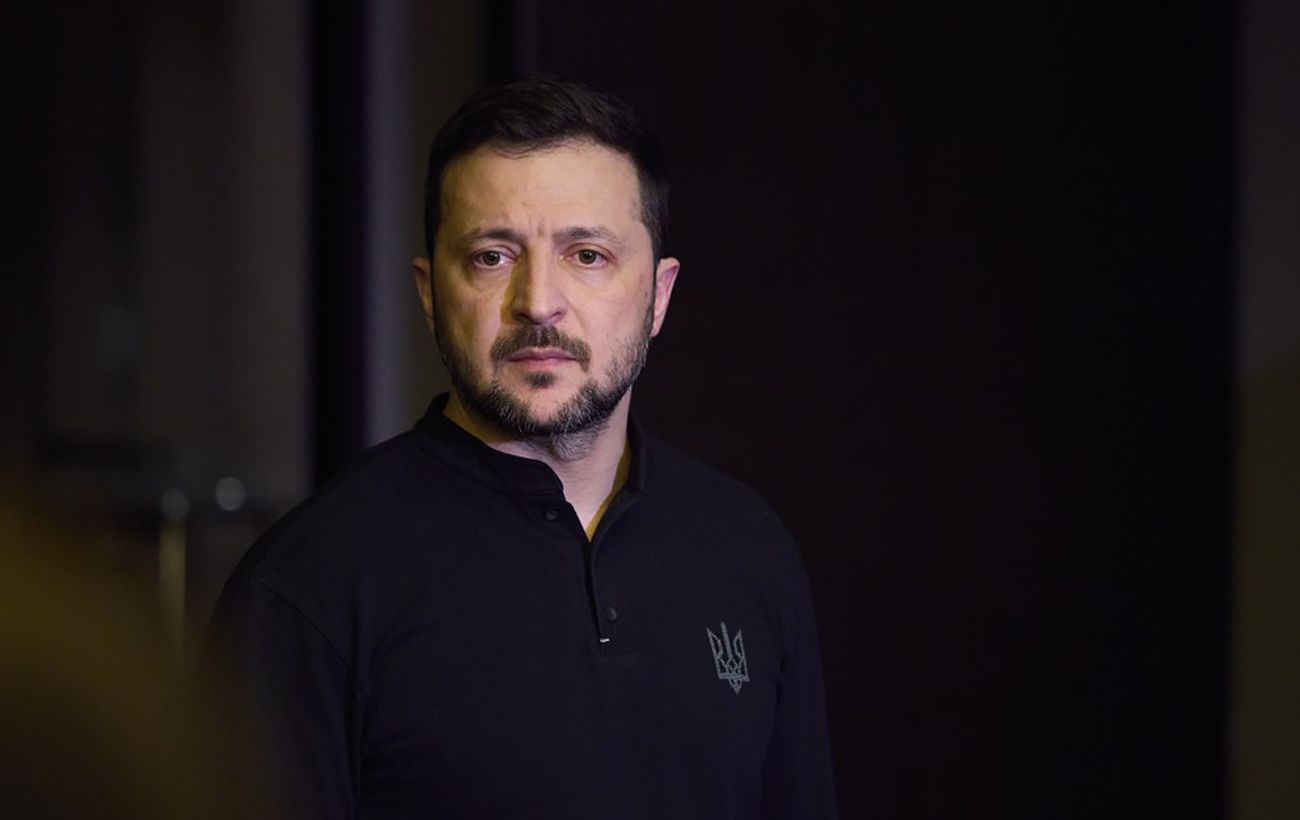
New Russian Energy Tactics: What It Means for Poltava Region and Kremenchuk
President Volodymyr Zelenskyy reported a shift in Russian strike tactics aimed at destroying transmission lines and power grids across regions.
 🚌Transport
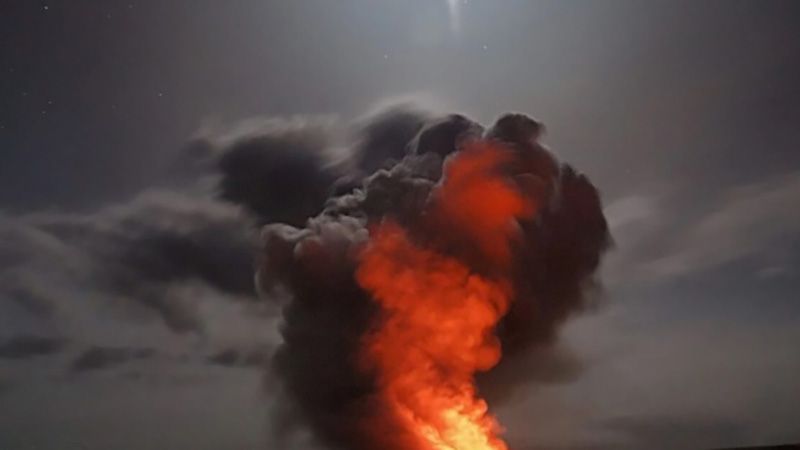
Fragments of enemy UAV recorded falling in Kremenchuk district
On the evening of November 22, fragments of a hostile UAV fell in an open area within the Kremenchuk district. According to regional authorities, no casualties or damage …